Telephone Number Records: 630306418, 3155023068, 833-839-3807, 18002201614, 7023597111, 4033510020, 17056752254, 7064131009, 7272632096 & 404-237-1924

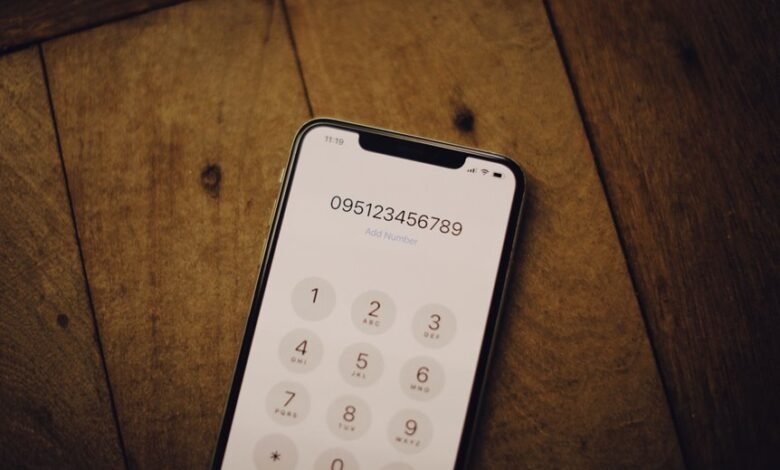
Telephone Number Records: 630306418, 3155023068, 833-839-3807, 18002201614, 7023597111, 4033510020, 17056752254, 7064131009, 7272632096, and 404-237-1924 prompt consideration of how call metadata reveals patterns of contact, timing, and location. These records function as a statistical map of behavior, yet raise questions about governance, consent, and retention. The discussion’ focus will be on balance—extracting insight while preserving privacy—before moving to concrete practices and safeguards that institutions must implement.
What Telephone Number Records Reveal About You
Telephone number records encode patterns of personal communication, revealing habitual contacts, locations, and times of activity. They illuminate social graphs and routines, exposing consistency and gaps in daily life. This data intersects privacy basics and data ethics, demanding mindful handling, transparent retention policies, and user access. Stakeholders should balance insight with consent, minimizing exposure and protecting individuals from unintended profiling or harm.
How Call Histories Are Collected and Used
Call histories are collected through a combination of network records, device logs, and service provider data, each contributing timestamped metadata such as caller and callee numbers, duration, and merchantable identifiers.
The data supports understanding conversation patterns while enabling data minimization, transparent tracking disclosures, and robust consent management; practices prioritize user autonomy, streamlined analytics, and accountable data stewardship across platforms and services.
Privacy, Security, and Legal Protections for Your Numbers
The handling of phone numbers implicates distinct layers of privacy, security, and legal compliance that govern how identifiers are stored, transmitted, and used across networks and services.
This analysis notes privacy implications in storage and access controls, emphasizes data minimization to reduce exposure, and outlines lawful processing boundaries.
It frames accountability, risk assessment, and user rights within responsible, transparent operational practices.
A Practical Guide to Managing and Monitoring Your Number Footprint
A practical approach to managing and monitoring a number footprint begins with a clear inventory of all numbers in use, including linked accounts, services, and devices.
The method analyzes aggregated metadata and enrollment implications, evaluates privacy and security requirements, and maps risk exposure.
It emphasizes proactive governance, documentation, and adherence to legal protections for your numbers, enabling freedom with responsible control.
Frequently Asked Questions
Can I Remove My Number From Data Brokers?
Cannot opt out; data brokers retain records. The process is incremental, requiring site-by-site requests, opt-out forms, and possible persistent follow-ups. Compliance varies; thorough documentation, timelines, and monitoring are essential for meaningful, ongoing removal attempts.
Do Employers Access Personal Contact Records?
Employers may access certain personal contact records via authorized channels; however, direct retrieval from private databases is regulated. Data brokers can supply background information, influencing opportunities. Governance emphasizes consent, transparency, and individuals pursuing freedom through lawful, informed choices.
How Often Are Records Updated or Corrected?
Update frequency varies by source; data freshness depends on reporting timelines. Corrections occur upon verification, often within days to weeks. Accuracy timelines aim for near-real-time updates, but gaps persist; readers should verify data periodically for trustworthiness.
Are There Fees for Archival Number Reports?
Yes, archival reports incur archival fees; data brokers removal may reduce charges. The process remains transparent, with itemized costs and clear eligibility criteria. Fees reflect retrieval, formatting, and verification efforts, enabling informed, independent decision-making for freedom-seeking users.
What Rights Do Minors Have Over Their Numbers?
A silent clock taps accountability like a metronome. Minors’ rights apply to numbers meaningfully connected to them; guardianship may be required for control, and number ownership can shift upon legal adulthood, with privacy and regulatory safeguards guiding access.
Conclusion
To protect privacy, minimize exposure, minimize storage, minimize sharing; to protect privacy, minimize exposure, minimize storage, minimize sharing. To safeguard control, document access, document scope, document retention; to safeguard control, document access, document scope, document retention. To foster accountability, map risks, map risks, map risks; to foster accountability, map risks, map risks, map risks. To support compliance, uphold consent, uphold consent, uphold consent; to support compliance, uphold consent, uphold consent, uphold consent.