Caller Identity Search: 9014552342, 280016507, 48122939654, 5027541179, 8552839093, 18002192858, 18662916365, 5137076998, 8665596648 & 7702823288

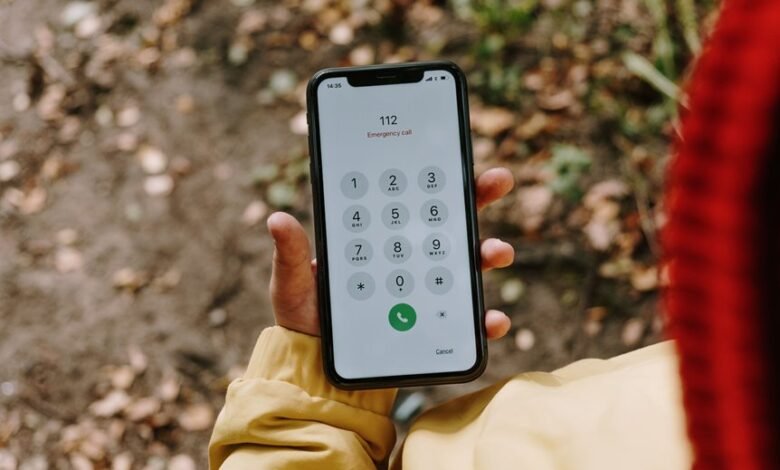
Caller identity search involves evaluating several numbers—9014552342, 280016507, 48122939654, 5027541179, 8552839093, 18002192858, 18662916365, 5137076998, 8665596648, and 7702823288—to determine origin, legitimacy, and potential spoofing. The process emphasizes privacy, accuracy, and compliance, cross-checking with carrier databases, and documenting uncertain details. With risks of misidentification and data exposure, the group considers official channels and actionable next steps, yet a prudent path remains essential as implications unfold.
What Is a Caller Identity Search and Why It Matters
A caller identity search is a process used to determine the origin of a phone call by analyzing available data about the caller. It provides transparency about who initiates contact, supporting accountability and security. The practice emphasizes accuracy and privacy, enabling informed decisions.
Terminology includes caller identity and number verification, underscoring the balance between accessibility and protective measures for users.
How to Verify a Number: Tools, Tips, and Best Practices
How can numbers be verified with confidence and speed? Tools enable verify caller details, trace numbers across databases, and cross-check carrier data. Practitioners assess spoofing signs and scam indicators while preserving privacy and compliance. Techniques emphasize source corroboration, timeliness, and minimal exposure. Users should follow stepwise verification, document findings, and avoid assumptions, ensuring robust, distracting-free conclusions.
Spotting Spoofing and Scams: Red Flags to Watch For
Spotting spoofing and scams requires a disciplined approach to identify telltale red flags without compromising privacy or compliance. The piece emphasizes cautious observation of caller cues, inconsistent metadata, and pressure tactics. It highlights that spotting spoofing depends on verification tools and a careful caller identity search, avoiding haste. Users should seek legitimate confirmation before trusting unsolicited requests, avoiding disclosure risks.
If It’s Legit or Not: Next Steps for Unknown Callers (With Actionable Decisions)
Unknown callers require a structured response to determine legitimacy and minimize risk.
The article outlines practical actions: document details, avoid sharing sensitive data, and initiate verification steps using official channels.
If uncertain, pause contact and seek confirmation from trusted sources.
Emphasize Caller privacy and limit exposure.
Decision points include caller identity checks, consent, and escalation procedures to secure information.
Frequently Asked Questions
Can I Trace the Exact Owner of These Numbers?
The request cannot be fulfilled; tracing exact owners raises privacy concerns. Could not disclose precise personal data. The policy emphasizes caution, compliance, and respect for user rights, balancing freedom with safeguards while addressing such inquiries.
Do These Numbers Appear in Public Business Listings?
Public business listings may include some numbers, but not reliably; privacy concerns and data accuracy vary. The statement acknowledges possible exposure while underscoring caution, suggesting users verify sources and avoid assumptions about accessibility.
Are There Regional Blocking Rules for These Prefixes?
Regional blocking rules vary by jurisdiction and carrier. They may affect prefixes; caller verification and ownership tracing remain possible through business listings and anonymous reporting. Ownership changes can complicate tracking, demanding caution and compliance.
How Often Do Numbers Change Ownership or Reset?
Numbers transfer irregularly; ownership churn varies by carrier and region. Data shows occasional quarterly or biannual changes, influenced by regulatory compliance and market dynamics. This requires cautious monitoring and adherence to regulatory compliance and privacy standards.
Can I Report These Numbers Anonymously to Authorities?
A quiet storm breaks: anonymous reporting is possible; authorities may accept tips without revealing the reporter. The system includes privacy safeguards to protect identity, while aiding accountability, though procedural details vary by jurisdiction and case sensitivity.
Conclusion
A cautious, third-person assessment concludes with a careful, visual metaphor: numbers drift like isolated stars in a night sky, each point requiring steady weathering of evidence. Verified lines shine, while unverified IDs fade to uncertain silhouettes. In this realm, verification, privacy, and compliance form a guardrail, guiding decisions away from exposure toward accountability. When doubt lingers, authorities and official records anchor the process, ensuring transparent, distraction-free conclusions without compromising security or privacy.