Caller Identity Verification Guide: 691921594, 918368806, 955121005, 662970192, 40808000, 868682255, 650322373, 910606653, 914476690 & 651762024

The Caller Identity Verification Guide presents a structured framework to confirm who speaks on the line. It emphasizes corroborating disclosed details with technical signals and public records, while maintaining auditable logs and clear accountability. The approach balances caller autonomy with real-time risk signals and multi-factor checks, aiming to detect deception and reduce fraud. Its applicability spans procedures, tools, and best practices, inviting practitioners to explore how evidence and independent judgment converge in secure decision-making. The implications for everyday verification warrant careful consideration.
What Caller Identity Verification Is and Why It Matters
Caller identity verification is the process of confirming that the person on the line is who they claim to be, using a combination of disclosed information, technical signals, and established procedures.
This methodical practice yields accountability by documenting provenance and consent.
The focus rests on caller identity and verification importance, ensuring trust, reducing fraud risk, and supporting autonomous decision-making within secure communication systems.
Signals That Your Caller Isn’t Who They Claim to Be
Assessing a claimed identity begins with recognizing telltale signals that the caller may not be who they assert. Indicators include inconsistent details, reluctance to provide verifiable context, and pressure to bypass standard checks. Such patterns illuminate caller identity and verification dilemmas, revealing gaps in authentication. Observers document mismatches, maintain neutrality, and defer judgments until corroborating evidence clarifies intent and legitimacy.
Step-By-Step Verification Techniques You Can Use Today
To determine identity with reliability, a structured sequence of verification techniques is employed. The approach evaluates caller characteristics, cross-checks public records, and confirms contextual details. Observations emphasize evidence over assumption, mitigating identity theft risks and detecting call spoofing patterns. Each step documents responses, timestamps, and corroborating data, ensuring traceability.
This disciplined process supports independent judgment while preserving user autonomy and security.
Tools, Protocols, and Best Practices for Safe Screening
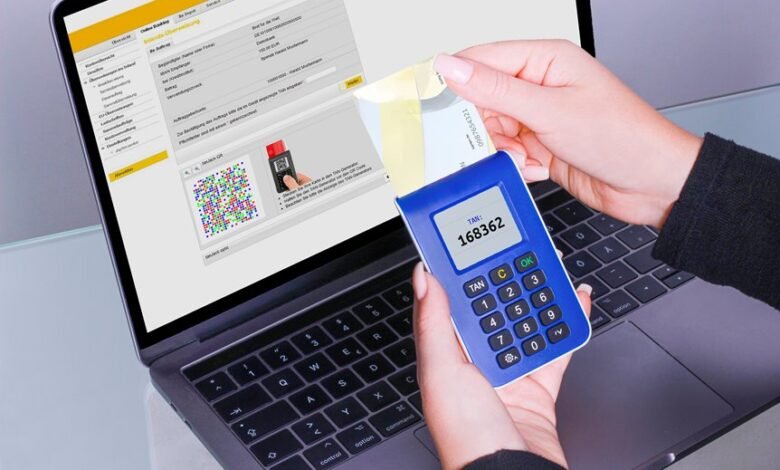
What tools and protocols underpin safe screening, and how do they integrate into a rigorous verification workflow? Tools include robust caller identity databases, multi-factor verification protocols, and auditable logs. Procedures emphasize consistent caller authentication, real-time risk signals analysis, and cross-checks with known-good references. The workflow prioritizes transparency, repeatability, and evidence-based decisions for freedom-seeking audiences.
Frequently Asked Questions
How Often Should I Update My Verification Policies?
Update cadence depends on risk and changes; policy owners should review annually, with immediate revisions after regulatory shifts or incident findings. The cadence remains documented, traceable, and adjustable to evolving threat landscapes and business needs.
What Are Common False Positives in Voice Verification?
False positives arise when similar voices trigger biometric verification despite non-identities; background noise or recordings mask identity. In biometric verification, precision matters: false positives can grant access, demanding stricter thresholds and layered checks. Continuous evaluation improves resilience and freedom.
Can Biometric Checks Replace Phone-Based Verification?
Biometric replacement is not universally viable; voice authentication can supplement but not fully replace phone-based verification. Biometric replacement reduces phishing risk while introducing spoofing, privacy, and accessibility considerations; a layered approach best preserves freedom and security.
How to Handle Customer Data Under Privacy Laws?
Privacy compliance requires strict data minimization: collect only necessary information, implement robust access controls, and document retention policies. The approach is methodical and evidentiary, empowering stakeholders who value freedom while ensuring lawful, transparent handling of customer data.
What Are Costs Associated With Advanced Verification Services?
Advanced verification services incur varied costs: initial setup, per-transaction fees, and ongoing maintenance. They address advanced fraud concerns while highlighting compliance gaps, enabling freedom-seeking organizations to evaluate ROI and risk tolerance with disciplined, evidentiary budgeting.
Conclusion
In sum, caller identity verification relies on cross-checked disclosures, technical signals, and documented procedures to establish authenticity with auditable rigor. By comparing disclosed data against public records and maintaining meticulous logs, practitioners detect inconsistencies and reduce fraud through multitier verification. Real-time risk signals support independent, corroborated judgments while preserving caller autonomy. Like a lighthouse beam cutting through fog, the method offers transparent, traceable guidance that clarifies truth without overpowering the caller’s agency.