Caller Identity Lookup: 8012277000, 4032270655, 3233162429, 6142460042, 4405965596, 713589849, 8663764584, 5596248100, 4618082097 & 251-699-1485

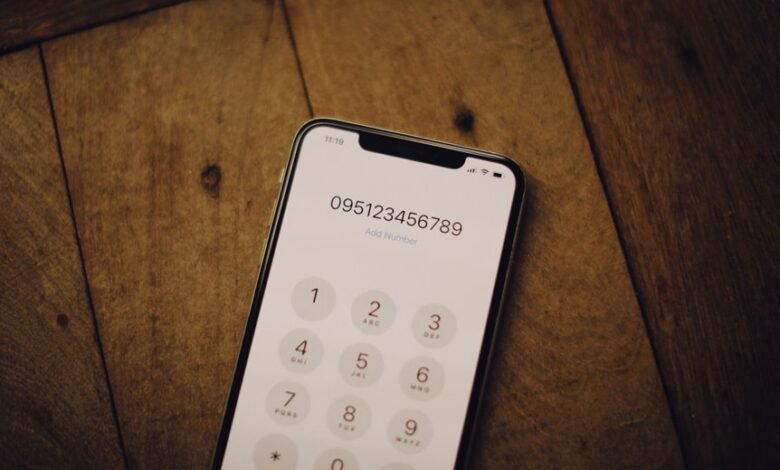
Caller Identity Lookup examines who is behind numbers such as 8012277000, 4032270655, 3233162429, 6142460042, 4405965596, 713589849, 8663764584, 5596248100, 4618082097, and 251-699-1485. It weighs source credibility, data provenance, and privacy constraints while guarding against spoofing. The policy implications, accuracy limits, and audit trails shape its utility for legitimate communication and risk mitigation, but practical constraints remain. A careful, privacy-conscious approach invites further scrutiny of methods, sources, and verification steps before action.
What Caller ID and Lookup Do for You
Caller ID and lookup services provide two complementary functions: identifying the source of incoming calls and accessing supplementary data about that source.
The analysis evaluates practical usage, emphasizing verification tips and timing best practices. It notes that Caller ID informs decisions while highlighting Lookup reliability concerns and privacy risks; policy-driven recommendations promote concise, freedom-respecting, data-minimizing usage.
How Reliable Are Different Lookup Methods
Different lookup methods vary in accuracy, speed, and accessibility, influencing how reliably a caller’s background can be verified.
Analytical evaluation shows trade-offs among public records, carrier databases, and crowdsourced data.
Policy implications emphasize governance, data provenance, and auditability.
Practical emphasis lies in privacy checks and spoofing awareness, ensuring verification processes remain transparent, rights-respecting, and resistant to manipulation without compromising user freedoms.
Minimizing Risks: Privacy, Spoofing, and Verification Tips
In navigating risks related to caller identity, a structured approach emphasizes privacy safeguards, anti-spoofing measures, and robust verification protocols. The analysis highlights privacy risks and spoofing concerns, urging layered controls, transparent data handling, and auditable processes. Policy-driven recommendations stress minimum data disclosure, multi-factor verification, and credentialed sources. Freedom-forward design enables trust, resilience, and accountable adoption across telecommunication practices.
Practical Guide: When and How to Use Lookup Tools
The practical use of lookup tools follows from the privacy, spoofing, and verification considerations outlined previously; it offers a structured way to determine when and how these tools should be employed to support legitimate communication processes. This framework emphasizes caller ID assessment, lookup accuracy, privacy risks, and spoofing safeguards to guide responsible, freedom-supporting decision making.
Frequently Asked Questions
Do These Numbers Reveal Personal Contact Details Beyond a Name?
Yes, these numbers may reveal limited personal contact details beyond a name, depending on data sources. Caller Identity, Data Privacy, Trace Location, Legal Risks, Number Ownership, and Accuracy Variations shape disclosed information and policy implications for individuals and organizations.
Can I Trace a Caller’s Location With a Lookup?
“Where there’s a will, there’s a way.” The answer: traceability limitations and privacy implications constrain locating a caller; lookup services may offer approximate data, not precise movement, and require lawful justification, limiting freedom with accountability and safeguards.
Are There Legal Risks to Using Advanced Lookup Services?
Legal risk exists; privacy considerations, data accuracy, and compliance requirements shape use. A policy-driven view notes potential regulatory exposure, consent gaps, and misuse consequences, urging rigorous verification, documentation, and alignment with applicable data protection laws and industry standards.
How Accurate Are Business vs. Residential Number Results?
Business numbers tend to be more accurate than residential ones, but both suffer privacy concerns and data accuracy issues; a hypothetical vendor case shows process gaps. Analysts conclude policy-driven improvements must address verification, consent, and cross-source reconciliation.
Do Numbers Expire or Change Ownership Over Time?
Numbers can expire or shift ownership over time; expiration trends vary by regulatory and market dynamics, while ownership changes reflect portfolio updates and reassignment. This analysis emphasizes policy-driven factors, documenting ongoing evolution in telecommunication assets and access.
Conclusion
This article underscores that caller identity lookup aids legitimate communication while prioritizing privacy and anti-spoofing safeguards. Across methods, transparency of provenance and verification reliability vary, demanding cautious use. An interesting statistic: only about 60–70% of third-party datasets are consistently updated, highlighting the need for corroboration sources. Practically, practitioners should document audits, minimize data exposure, and apply privacy-preserving approaches, using lookup tools primarily for risk mitigation and legitimate engagement rather than broad disclosure.