Caller Identity Lookup: 856-861-3283, 6183319022, (817) 899-2042, 8178065501, 347-728-5537, 877368002, 8632660119, 9166552059, 910851564 & 6125477384

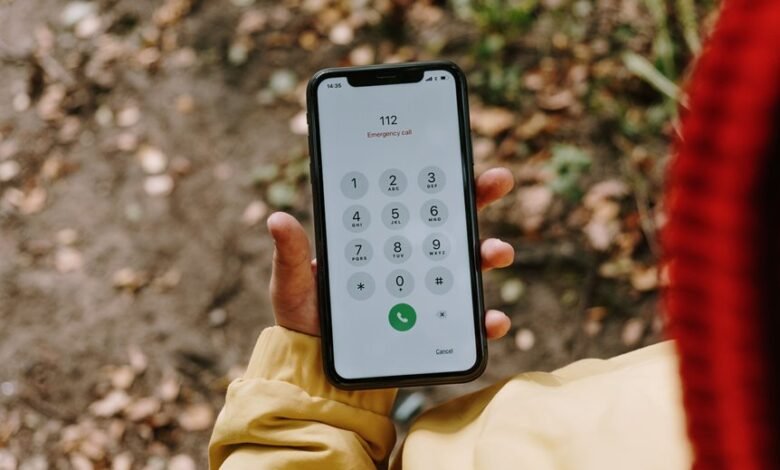
Caller identity lookup for the listed numbers presents a framework for cross-referencing carriers, registries, and user signals to validate origin and deter spoofing. The approach emphasizes layered verification, privacy safeguards, and auditable governance. Analysts weigh data quality, jurisdictional constraints, and potential misuse. Yet questions remain about how such systems balance accuracy with privacy and how they handle edge cases as the references grow. The policy implications warrant careful consideration before broader deployment.
What Caller Identity Lookup Actually Does
Caller identity lookup serves to identify the originator of a communication by mapping a caller’s number or identifier to authoritative records. It operates as a verification mechanism, cross-referencing metadata to deter spoofing and misrepresentation.
Its impact hinges on privacy concerns and data accuracy, demanding transparent governance, robust data stewardship, and auditable processes to balance freedom with responsible telecommunications use.
How Data Sources Back Your Caller IDs
Data sources underpin the reliability of caller IDs by providing the foundational records that map numbers and identifiers to authoritative ownership and status. They aggregate calling data from carriers, registries, and user-contributed signals, creating a reference lattice for verification.
This framework raises privacy implications while supporting transparency, enabling informed decisions, resilient policing of misuse, and measured freedom in communications.
How to Verify a Caller’s Identity Safely
To verify a caller’s identity safely, organizations should implement layered authentication that corroborates signal provenance, device integrity, and user-confirmed information. The approach emphasizes privacy safeguards and transparent data handling, reducing reliance on single signals.
Emphasis on verification standards supports scam awareness, enabling auditable processes, cross-checks, and governance. This fosters accountable practices while preserving user autonomy and organizational resilience under evolving threat landscapes.
Practical Tips to Protect Privacy and Avoid Scams
Practical privacy protections and scam avoidance build on the verified identity safeguards discussed earlier by emphasizing actionable, low-friction controls. The approach favors user autonomy while establishing baseline privacy safeguards, such as minimal data sharing, opt-in verification, and transparent data use policies. Enhanced scam detection relies on behavioral signals, clear reporting channels, and principled friction to deter misuse without overreach.
Frequently Asked Questions
Can I Reverse-Search a Phone Number for Free?
Yes, there are free reverse options, but results may be incomplete. The policy emphasizes privacy limits; free services often restrict data depth. Users pursue transparency while respecting privacy limits and recognizing potential inaccuracies in free reverse lookups.
Do All Numbers Show the Exact Owner’s Name?
No. Not all numbers reveal the exact owner’s name; caller IDs vary in ID accuracy. While some services disclose details, others protect privacy, and free reverse-searches often provide limited or unverified results, impacting reliable identification and freedom-friendly use.
How Accurate Are Caller ID Results Across Networks?
Caller ID accuracy varies by network and implementation. Network variability, reverse search legality, and data sharing limits shape results; spoofing risks persist. Users should recognize imperfect coverage and rely on corroborating methods for identification, within lawful boundaries and policy constraints.
Can Scammers Spoof Legitimate-Looking Caller IDS?
Yes, scammers can spoof legitimate-looking caller IDs. The practice exploits trust, creating acute Caller ID spoofing risks. Balancing Privacy vs transparency is essential; policies should deter abuse while preserving legitimate, freedom-preserving communication.
What Are Legal Limits on Sharing Caller Data?
Legal limits on sharing caller data vary by jurisdiction, but generally require consent, minimize data use, and enforce privacy compliance. Organizations should articulate data retention policies, enforce access controls, and audit practices to protect consumer privacy and data integrity.
Conclusion
In sum, caller identity lookup synthesizes multiple authoritative signals to curb spoofing and verify legitimacy, balancing privacy with transparency and governance. By cross-referencing carriers, registries, and user signals, it creates a defendable reference framework while enforcing auditable processes. Stakeholders should expect layered verification, device checks, and user-confirmed data in policy-driven workflows. It’s a prudent safeguard—not a cure-all—yet essential to deter misuse and inform prudent communication decisions.