Phone Contact Registry: 423-822-2465, 888-431-4549, 4072357395, 2185760900, 18663243120, 7172968088, 6198259510, 3612233029, 855-482-8066 & 9804463884

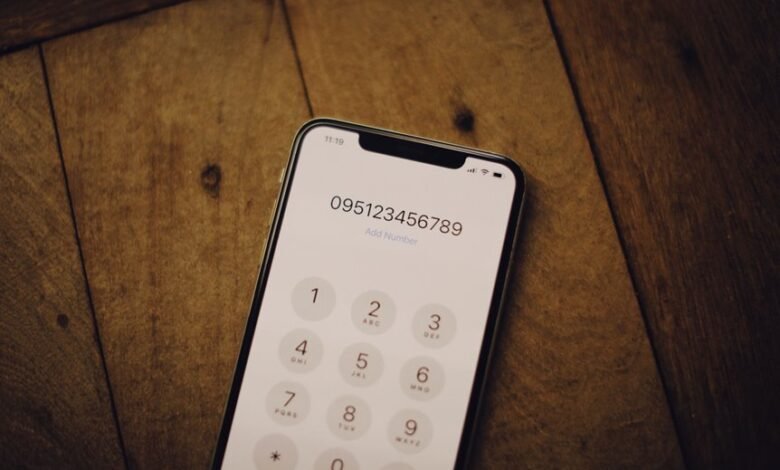
A phone contact registry organizes numbers like 423-822-2465, 888-431-4549, 4072357395, and others into purpose-driven groups with appropriate protections. It weighs naming conventions, metadata, and consent-driven sync to support efficient outreach while reducing exposure. Privacy-by-design principles guide encryption, access controls, and auditable changes across devices. The approach prompts questions about data minimization, secure deletion, and cross-platform integrity—topics that must be addressed before broad deployment. Will these safeguards prove sufficient to sustain trust as use expands?
What a Phone Contact Registry Is and Why It Matters
A phone contact registry is a centralized system that stores and organizes contact information associated with individuals or organizations, making it easier to manage outreach while safeguarding data.
It delineates purpose, scope, and access, supporting responsible communication.
Privacy practices guide usage, ensuring consent and minimal data retention.
Data encryption protects stored details, reducing risk while upholding freedom to connect securely.
How to Organize Your Key Contacts for Fast Access
Organizing key contacts for fast access begins with a purpose-driven structure: categorize entries by role, reliability, and immediacy of need, then apply consistent naming conventions and metadata. The system supports quick dialing and clear contact grouping, enabling rapid retrieval while preserving privacy.
Structured groups minimize exposure, promote efficiency, and empower freedom to contact trusted sources without unnecessary disclosure or delay.
Safeguarding Sensitive Numbers: Security and Privacy Best Practices
Safeguarding sensitive numbers requires deliberate safeguards to minimize exposure while preserving accessibility for legitimate use. The approach emphasizes privacy safeguards and minimal data handling. Practices include data minimization, encryption at rest and in transit, role-based access, regular audits, and secure deletion.
Individuals benefit from transparent policies, controlled sharing, and clear consent, fostering freedom while protecting confidential contact information from misuse.
Keeping Your Registry Synced Across Devices and Platforms
Keeping a contact registry consistent across devices and platforms requires disciplined synchronization practices that protect privacy while ensuring availability.
The approach emphasizes tone considerations to avoid misinterpretation and data redundancy to minimize duplication.
Cross‑platform syncing should be opt‑in, encrypted, and auditable, with clear change histories.
Freedom‑minded users value interoperable, private access, and minimal dependence on single ecosystems.
Frequently Asked Questions
How Should I Format International Phone Numbers in the Registry?
International numbers should follow internationalized formatting with a plus country code, spaces between groups, and leading zeros preserved when applicable, ensuring formatting consistency, privacy safeguards, and ease of parsing for users who value freedom and clarity.
Can I Export My Registry to a CSV or vCard File?
Yes, the registry can be exported to common formats. It supports export format choices like CSV and vCard, enabling data portability. The process prioritizes privacy, minimizes unnecessary exposure, and preserves contact integrity for flexible, user‑driven reuse.
What Are the Best Practices for Backing up Contacts Securely?
Like a lighthouse in fog, best practices protect privacy. Backups prioritize encryption, regular testing, and minimized exposure. Ensure data residency compliance, restrict access, audit logs, and use offline or reputable cloud options for backup security.
How Can I Recover a Lost or Corrupted Registry File?
Lost registry recovery involves restoring from backups or system snapshots; corrupted registry recovery requires safe repair tools and offline access. The approach emphasizes privacy, minimal data exposure, and verifiable restore points to preserve freedom and integrity.
Do I Need to Share My Registry With Family or Colleagues?
Should one share a registry? No—careful sharing practices and privacy controls protect autonomy; disclosure is limited. The registry favors consent, not visibility. Privacy-minded individuals weigh risks, maintain control, and enable access only when truly necessary and trusted.
Conclusion
A phone contact registry, when designed with purpose-driven categorization, encryption, and strict access controls, becomes a trusted vault for sensitive numbers. By implementing consistent naming, metadata, and opt-in synchronization, it enables fast outreach without compromising privacy. Regular audits and secure deletion reinforce accountability, while privacy-by-design minimizes exposure across devices and platforms. In practice, this yields a concise, auditable trail—like a lighthouse guiding only authorized calls through a fog of data, unmistakably bright and uncompromising.