Phone Identity Records: 800 292 7508, 505-253-0591, 2085144125, 732201061, 3605629013, 800 435 1415, 815-661-5600, 484-545-4415, 5412532011 & 7312462014

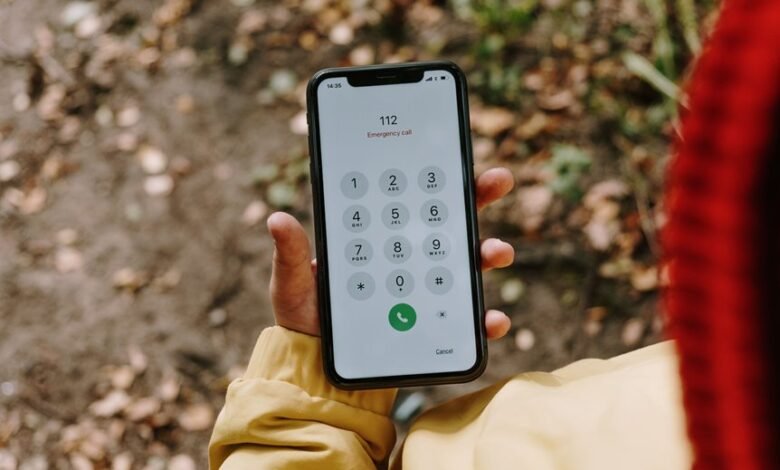
Phone identity records map numeric identifiers to owners, enabling verification, risk assessment, and accountability for calls and messages. They synthesize call logs, locations, and device signals to form trust signals while raising privacy and misuse concerns. The policy questions center on access controls, data minimization, and auditable workflows to prevent abuse. As organizations consider governance, trade-offs emerge between security and user autonomy, inviting scrutiny of who can see what and under what safeguards. The discussion must continue to address practical safeguards and governance gaps.
What Are Phone Identity Records and Why They Matter
Phone identity records refer to the collected data that uniquely associates a phone number with its user or owner, including call logs, location data, subscriber information, and device identifiers.
These records support identities verification and caller authentication by enabling verification of claimed identities, detecting anomalies, and informing policy.
They balance privacy concerns with security, accountability, and consumer protection in communications ecosystems.
How Numbers Tell a Story: Linking Call Data to Identities
Numbers serve as gateways to patterns that reveal who is calling, when, and from where.
Call data enable traceability and context for behavior assessment, yet require careful identity mapping to avoid misattribution.
Privacy concerns persist when linking numbers to individuals.
Verification protocols must balance transparency with safeguards, ensuring accurate linkage while preserving civil liberties and limiting data exposure.
Guardrails and Best Practices for Verifying Callers
Guardrails and best practices for verifying callers establish a structured framework that minimizes misidentification while preserving user privacy. The approach emphasizes security governance, standardized verification protocols, and auditable processes. Caller authentication relies on multi-factor indicators, risk scoring, and corroborated metadata. Clear ownership, documented decision criteria, and ongoing governance reduce ambiguity, supporting accountability while enabling legitimate access and user autonomy.
Privacy, Risks, and Practical Safeguards in a Caller-Driven Era
This era elevates privacy concerns as caller-driven interactions expand, prompting careful assessment of data exposure, consent, and control. The analysis focuses on privacy risks inherent in data sharing, caller verification, and cross-platform footprints, emphasizing transparent governance.
Practical safeguards include robust authentication, minimized data collection, auditable access, and user-centric controls; these measures support freedom while reducing exposure and enhancing accountability in identity-record ecosystems.
Frequently Asked Questions
Can Phone Identity Records Be Faked or Spoofed, and How to Detect It?
Phone identity records can be spoofed or faked, though verification challenges arise. The analyst notes that phone spoofing undermines authenticity, requiring layered verification, anomaly detection, and policy safeguards to balance user freedom with reliable identity validation.
What Industries Most Rely on Phone Identity for Verification, and Why?
Industries relying on phone identity for verification include finance, telecommunications, e-commerce, healthcare, and travel. They cite rapid onboarding and fraud reduction, yet face compliance challenges and data governance concerns that shape policy, risk, and customer trust.
Do Call Data and Location Data Reliably Prove Who’s on the Line?
Call data and location data alone do not reliably prove who’s on the line; they shape Phone Identity and Verification Trust, yet risks of Caller Spoofing persist, challenging Identity Reliability and necessitating corroborative authentication and robust policy safeguards.
How Do Regulators Treat Cross-Border Phone Identity Verification?
Cross-border identity verification is shaped by varying regulatory frameworks; regulators emphasize consent, data localization, and traceability. A notable statistic shows 62% of jurisdictions require explicit user consent for cross-border data transfers, underscoring cross border compliance priorities.
What Impact Do Fake or Recycled Numbers Have on Caller Authentication?
Fake numbers undermine caller authentication by enabling spoofing and evasion; recycled numbers erode traceability, complicating cross-border verification. Effective policies require robust spoofing detection, timely number-portability checks, and harmonized cross-jurisdiction verification standards for reliable identity validation.
Conclusion
Phone identity records enable precise linking of numbers to owners, supporting verification, risk assessment, and accountability while exposing privacy tradeoffs. A rigorous governance framework—minimized data exposure, auditable access, multi-factor verification, and transparent user controls—is essential to balance security with civil liberties. While these systems dramatically enhance trust in communications, unchecked data exposure could trigger pervasive surveillance. Therefore, robust, policy-driven safeguards must be entrenched to ensure accountability without stifling legitimate access or innovation. This is a watershed moment—privacy resilience is non-negotiable.