Phone Number Lookup Findings and Identity Search Results: 922270700, 601891636, 693121919, 946414289, 645179475, 941560389, 630300216, 693118031, 977258246 & 982650030

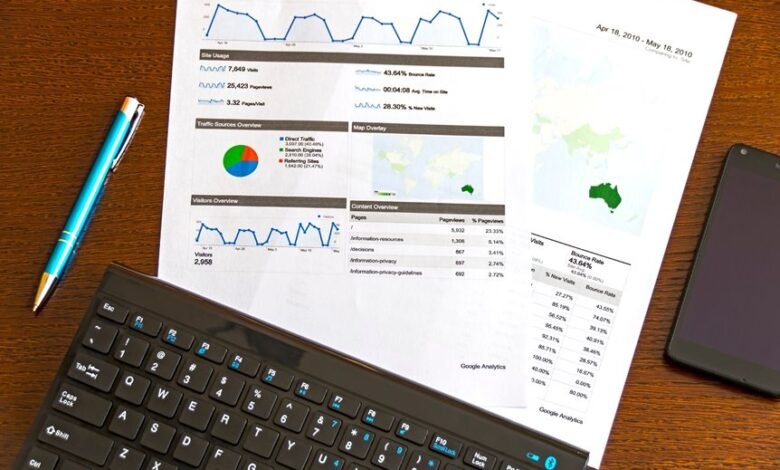
The discussion centers on what phone-number lookups and identity searches reveal for the listed numbers, with attention to ownership signals, line type, and location hints. It weighs how reliable carrier data and metadata are, and where gaps or conflicting sources undermine confidence. The analysis remains privacy-forward, emphasizing auditable methods and consent. The topic also highlights red flags and verification needs, prompting careful interpretation before applying findings to real-world decisions or actions.
What a Phone-Number Lookup Can Reveal About Ownership and Line Type
Phone-number lookups can reveal essential details about ownership and line type, though the extent of disclosure depends on the data source and the lookup method.
The analysis remains objective, noting that owner history and line-type data vary in reliability.
Privacy implications arise from partial disclosures, data aggregation, and potential cross-referencing, underscoring the need for transparent sourcing and user consent within freedom-prioritized frameworks.
Interpreting Location Hints and Carrier Clues for Each Number
Location hints and carrier clues add another layer to the interpretation of each number, translating raw identifiers into context while recognizing the limits of reliability.
The analysis remains focused on data limitations and verification methods, avoiding speculation.
It maps location hints and line type to probable identity ownership, while noting red flags that warrant cautious, responsible use of information.
Spotting Red Flags and Data Limitations in Identity Searches
Spotting red flags and data limitations in identity searches requires a disciplined, privacy-centered approach that distinguishes reliable signals from noise. Analytical evaluation reveals red flags such as inconsistent metadata, nonverifiable sources, and anomalous timing. Data gaps may obscure truth, raising privacy concerns. Clear verification steps and cautious interpretation guard against overreach while preserving freedom and informed consent in digital identities.
How to Verify Results and Use Findings Responsibly Across the Listed Numbers
How can results be verified and findings applied responsibly when reviewing multiple numbers? A structured verification protocol cross-checks sources, timestamps, and confidence levels while isolating personal identifiers.
Findings should respect privacy compliance and minimize exposure, avoiding broad disclosures.
Analysts assess data ethics implications, document consent status, and limit use to legitimate purposes.
Decisions prioritize user autonomy, transparency, and reversible, auditable actions across the listed numbers.
Frequently Asked Questions
Are These Numbers Associated With Business Accounts or Personal Lines?
It is unclear whether these numbers are linked to business verification or personal lines. Privacy implications arise regardless; the data’s usage should respect consent, minimize exposure, and support user autonomy while preserving confidential handling of identifiers.
Can Results Reveal Exact Owner Names or Only Hints?
Results can reveal owner names only as hints, not definitive proofs. The assessment highlights privacy risks and data accuracy concerns, emphasizing that seemingly exact matches may be imperfect, requiring cautious interpretation while supporting individuals’ freedom and oversight.
Do SIM Swap or Identity Theft Risks Affect Results?
Yes, risks exist; simulated identity manipulation can color results. Privacy-aware evaluation shows two word ideas1 and two word ideas2 may be affected, yet legitimate systems strive for accuracy, resisting manipulation while preserving user freedom and protective nondisclosure.
How Often Are Lookup Databases Updated for Accuracy?
Update cadence varies by provider, with some refreshing daily and others weekly. The analysis notes that data sources include public registries and user-contributed signals, requiring ongoing privacy safeguards. Timely, transparent cadence respects user autonomy and rights.
What Legal Constraints Govern Sharing Findings Publicly?
Legal constraints vary by jurisdiction but typically require consent, purpose limitation, data minimization, and transparency in sharing findings publicly. Disclaimer: This topic touches privacy and legal constraints; not relevant to the other questions. Compliance hinges on applicable privacy laws and secure handling.
Conclusion
Conclusion: The analysis underscores that phone-number lookups yield varying levels of ownership clarity, line type, location hints, and carrier context, all tempered by data-source reliability and methodological gaps. Rigorous verification and privacy safeguards are essential to maintain legitimacy and audibility of outcomes. Does the pursuit of rapid identification risk compromising consent and data ethics when red flags emerge and verifiable sources remain elusive, or can disciplined scrutiny preserve both insight and individual privacy?