Unknown Caller Details Finder: 911118270, 621144595, 912985369, 976359431, 946620073, 696494470, 5547472400, 695852890, 919024735 & 625477860

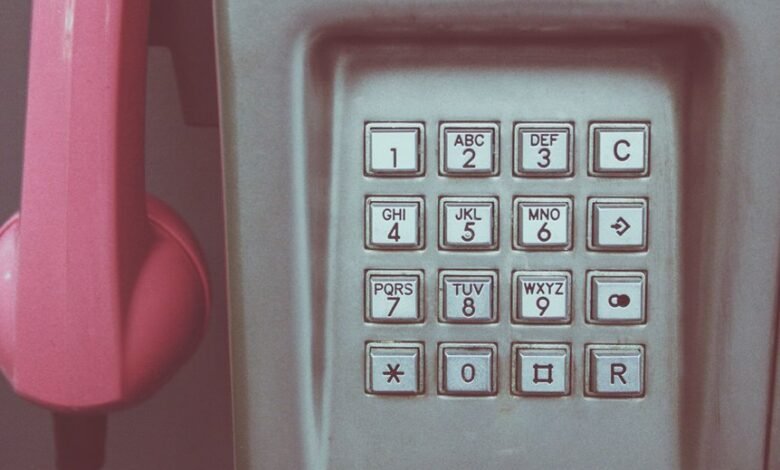
Unknown Caller Details Finder proposes a careful approach to tracing numbers as data clues. It emphasizes disciplined signal collection, verification, and privacy safeguards. The method treats metadata as actionable hints, not spectacle. Governance is transparent, access is restricted, and findings are documented for accountability. The balance between legality and user autonomy remains central. The challenge lies in distinguishing correlation from intrusion, leaving readers with a question: what disciplined steps will emerge as concerns grow?
What Is the Unknown Caller Details Finder and Why It Matters
Unknown Caller Details Finder is a tool designed to identify the source and relevant metadata of incoming calls. The system operates with disciplined rigor, cataloging signals while preserving user autonomy. Its purpose is to illuminate accountability, not intrude upon private channels. Yet concerns arise about unethical tracing and the handling of personal data, demanding transparent governance and robust safeguards to preserve freedom.
How Numbers Become Clues: Decoding Patterns and Data Signals
Numbers become clues through the systematic collection and interpretation of signals associated with incoming calls. In this framework, unknown caller patterns emerge from data signals, frequencies, and timing, analyzed with restraint. Tracing calls relies on careful correlation rather than spectacle, preserving privacy. Ethical practice governs methodology, ensuring transparency, accountability, and consistency while the silent trace remains focused, objective, and contestable.
Practical Steps to Trace Calls Safely and Ethically
In practical terms, tracing calls safely and ethically requires a structured approach that prioritizes legality, privacy, and accuracy. The process involves documenting knowns and unknown caller details, verifying data signals, and applying ethical tracing practices. Additional steps include establishing privacy safeguards, restricting data access, and logging all actions. This method remains disciplined, transparent, and focused on lawful outcomes.
Privacy, Limitations, and How to Act on Findings Responsibly
The section analyzes how privacy considerations, inherent limitations, and responsible action interlock when handling call-tracing findings: it outlines safeguards to protect personal data, clarifies the boundaries of permissible use, and emphasizes disciplined decision-making.
It articulates privacy ethics and recognizes data limitations, guiding practitioners toward transparent practices, proportional measures, and accountable handling that respects freedom while mitigating harm and preserving trust.
Frequently Asked Questions
Can I Use This Tool for Harassing Calls?
The tool should not be used for harassment; its function aligns with harassment policy and data privacy standards, emphasizing lawful use, accountability, and prevention of abuse. Discretion and compliance guide responsible exploration, not infringement or intimidation.
Does It Reveal Caller’s Personal Address or Identity?
No, it does not reveal personal addresses or identities. It adheres to privacy policy and data retention standards, emphasizing responsible use, careful handling, and accountability for inquiries, while maintaining a methodical, discreet, analytical framework that respects user freedom.
Is Real-Time Trace Legality Different by Country?
Real-time trace legality varies by jurisdiction; cross-border regulations complicate enforcement. Across nations, standards differ in due process and privacy protections, influencing permissible tracing methods, data sharing, and judicial oversight for real-time caller identification.
How Accurate Are Reverse Lookup Results?
Like a careful clockwork map, reverse lookup accuracy varies; it is imperfect. The answer: results depend on data sources, updates, and jurisdiction. Hidden features and data access limitations shape reliability, not certainty, for freedom-minded users.
What Logs Are Kept During Lookups?
The logs kept typically include query timestamps, anonymized identifiers, and optional metadata; data retention varies by policy. Logs kept support auditing, while data retention limits safeguard privacy, enabling legitimate scrutiny without exposing raw, personal content.
Conclusion
This piece concludes with meticulous restraint: a model of cautious inquiry that treats every number as a delicate clue, never a spectacle. Irony surfaces in the paradox that precision and privacy must coexist while chasing truth. The method remains calm, systematic, and transparent, acknowledging limits and ethics above sensational finds. In short, diligent data handling quietly confirms results while preserving autonomy, reminding readers that responsible tracing is about governance, not gossip.