Caller Verification Database: 855-760-6191, 6104263036, 970-230-5725, 801-413-7200, 7855966700, 18664306105, 7198840966, 877-469-6720, 6178077850 & 8594074408

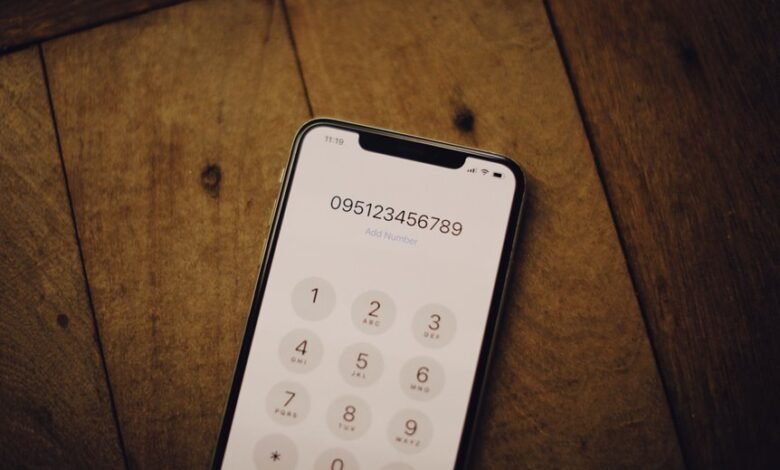
A caller verification database aggregates real-time signals about numbers such as 855-760-6191 and others to assess legitimacy. The approach relies on cross-network checks, provenance, and ongoing updates, but rides on probabilistic trust rather than certainty. While governance and consent are emphasized, gaps in data and spoofing tactics complicate interpretation. The claim is robust only if sources are transparent and verifiable, yet questions remain about privacy balance and practical alerting thresholds, inviting closer scrutiny of method and scope.
What Is a Caller Verification Database and Why It Matters
A caller verification database is a centralized registry that stores data confirming the legitimacy of incoming calls, including caller IDs, phone numbers, and associated verification results. The system functions analytically, measuring risk and reliability. It weighs data integrity against privacy tradeoffs, emphasizes real time updates, and presents trust signals. Cross network checks enhance resilience, though scrutiny remains essential for freedom and accountability.
How Data Is Gathered, Verified, and Updated in Real Time
Data for a Caller Verification Database is collected from multiple, verifiable sources, then subjected to standardized validation procedures before any entry is stored. The process emphasizes data sourcing accuracy, cross network validation, and continuous real time updates, while implementing privacy safeguards. A skeptical, methodical approach assesses discrepancies, ensures provenance, and minimizes latency, preserving freedom through accountable, transparent data practices.
How to Use the Database: Trust Signals, Cross-Network Checks, and Caveats
How should practitioners interpret signals from the database when evaluating caller legitimacy, and what cross-network checks reliably reveal? The analysis emphasizes cautious weighting of trust signals, corroboration across platforms, and documented criteria for alerting anomalies. Caller verification relies on pattern consistency, not absolute certainty. Caveats include data gaps, timing disparities, and evolving spoofing tactics, requiring disciplined, skeptical interpretation and ongoing validation. Cross network checks remain essential.
Balancing Privacy and Protection: Practical Tips and Limitations
Balancing privacy with protection requires a careful alignment of data-use practices with practical safeguards. The analysis highlights privacy concerns and the limits of data minimization, emphasizing clear transparency and explicit consent. Pragmatic strategies reduce security risks while preserving user control.
Cautions include overreach, flawed audits, and unintended exposure; effective balancing demands rigorous governance, ongoing assessment, and disciplined restraint in data collection and sharing.
Frequently Asked Questions
How Accurate Is the Caller Verification Database for New Numbers?
Caller Verification database accuracy is moderate; New numbers verification improves with ongoing data curation, yet gaps persist. User reported fraud prompts scrutiny, and reporting mechanisms are essential for continual refinement, despite skepticism about immediate comprehensiveness.
Can Numbers Be Reported as Fraudulent by Users Themselves?
Yes, users can report numbers as fraudulent. The reporting process exists, though verification challenges persist, requiring careful corroboration and cross-checks to prevent false positives while empowering individuals seeking accountability and transparency in telecommunications.
Does the Database Track International or Only US Numbers?
International tracking appears limited to domestic numbers; however, a hypothetical case shows potential cross-border flags if verification depth mandates it. The database, scrutinized skeptically, favors caution: international tracking remains uncertain, contingent on policy and verification depth.
How Often Are Older Numbers Re-Verified or Removed?
How often older numbers undergo re verification remains unclear; the verification frequency appears variable and uncertain, suggesting inconsistent renewal cycles. The process exhibits methodological gaps, provoking skepticism about persistence, accuracy, and timely removal of outdated numbers.
What Are the Costs or Access Limits for This Database?
Costs access and verification limits vary by participating provider and tier; the system appears designed to constrain usage, with pricing and caps seldom disclosed publicly. Independent evaluation suggests cautious budgeting and skepticism toward advertised unlimited access.
Conclusion
In sum, the caller verification database functions as a cautious compass, hinting at legitimacy without guaranteeing it. The system, through cross-network checks and continuous updates, offers a measured lens, yet remains vulnerable to data gaps and spoofing. While transparency and consent guide governance, practitioners should interpret signals with disciplined restraint, acknowledging uncertainty and avoiding overconfidence. The result is a nuanced map—visually suggestive, analytically restrained, and perpetually open to refinement.