Caller Verification Search: 904-300-0452, 6313930636, 303-255-5049, 5862505033, 407-235-7390, 714-581-9827, 9027034002, 1-855-289-6014, 800-918-8520 & 8889399773

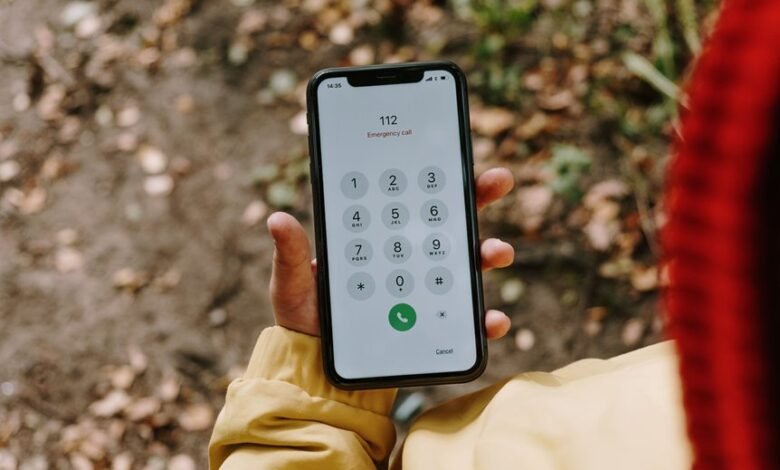
Caller Verification Search involves assessing dozens of numbers for legitimacy using cross-checked databases and privacy-conscious tools. The aim is to distinguish outreach from spam, reduce data exposure, and keep audits transparent. The process hinges on patterns, logs, and consistent procedures to support accountability. Users are invited to weigh verified signals against risk indicators, but gaps may remain. A structured approach invites further scrutiny of tools, methods, and outcomes to build trust and resilience.
What Caller Verification Is and Why It Matters
Caller verification is the process of confirming a caller’s identity or authorization before proceeding with an action, service, or data access. It establishes trust boundaries and reduces unauthorized access. This practice supports privacy security by ensuring only rightful parties engage sensitive systems. Clear procedures, auditable logs, and minimal friction improve user freedom while maintaining accountability and risk management in communications.
How to Check a Number: Tools, Methods, and Red Flags
To verify identity and prevent misuse, this section outlines practical tools, methods, and red flags for checking a caller’s number.
Researchers advocate caller verification practices, cross-checking databases and reverse lookups, while honoring privacy basics.
Use trusted apps, scrutinize inconsistencies, and monitor call patterns.
Report suspicious activity promptly, maintain minimal data retention, and empower users toward informed consent and secure communication.
Handling Legitimate Calls vs. Spam: Step-by-Step Verification
Often, legitimate calls can be distinguished from spam by following a strict verification sequence: confirm the caller’s claimed identity, cross-check the number against trusted databases, and compare the call’s context with known patterns of legitimate outreach.
The process emphasizes caller verification, legitimate calls, spam prevention, and verification tools, enabling informed decisions while preserving autonomy and freedom from intrusive interruptions.
Staying Safe: Practical Tips for Everyday Privacy and Security
Staying safe in everyday communications requires practical, repeatable practices that reduce exposure to threats without limiting legitimate interactions.
The guidance emphasizes privacy basics and continuous risk awareness, supporting informed decisions.
Individuals should verify sources, minimize data shared, enable device security, and use strong authentication.
Regular audits of permissions, cautious link handling, and disclosure limits empower freer, secure, and efficient communication.
Frequently Asked Questions
Can You Verify Caller Identity Without Sharing Personal Data?
Yes, they can verify identity without sharing personal data by using non-identifying signals, while implementing robust call logging, spoof reporting, and enforcing blocking limits to protect privacy and empower user control.
Do Call Center Numbers Differ From Registered Business Lines?
Yes, call center numbers often differ from registered business lines, though legitimate entities align them carefully; vigilant operators pursue caller verification, while spoofing reporting and caller logging details sharpen distinctions and support freedom through transparency and accountability.
How Can I Report Spoofed or Fraudulent Numbers Effectively?
To report spoofed or fraudulent numbers, one should file complaints promptly, referencing caller verification details, and pursue official channels; reporting fraud helps authorities track patterns, protect communities, and deter perpetrators.
What Details Should I Log After Verifying a Call?
Log details include caller number, timestamp, duration, and call type; capture verification steps, policy compliance, and skepticism notes. Logging practices emphasize accuracy, reproducibility, and security, while documenting anomalies for future investigations and potential reporting.
Are There Legal Limits to Blocking Persistent Numbers?
Blocking persistent numbers is allowed within legal compliance, but limits exist; blocking strategies must respect verification limits and caller privacy, balancing enforcement with transparent policies. The allegory depicts a gatekeeper: vigilant, precise, and freedom-minded.
Conclusion
Caller verification hinges on cross-checking trusted databases, applying privacy-respecting tools, and logging auditable steps to distinguish legitimate outreach from spam. A striking stat: up to 45% of unsolicited calls originate from spoofed numbers, undermining trust and safety. By following consistent procedures, organizations can reduce data exposure and improve decision-making. The approach emphasizes transparency, accountability, and user autonomy, with clear, repeatable processes and traceable logs that support rapid reassurance and selective disclosure in everyday communications.