Phone Identity Archive: 18008280146, 716-246-0084, 22179700400, 18554891010, 1-800-315-1907, 8883698801, 833-741-3450, 4844522186, 6143000013 & 09 69 39 49 51

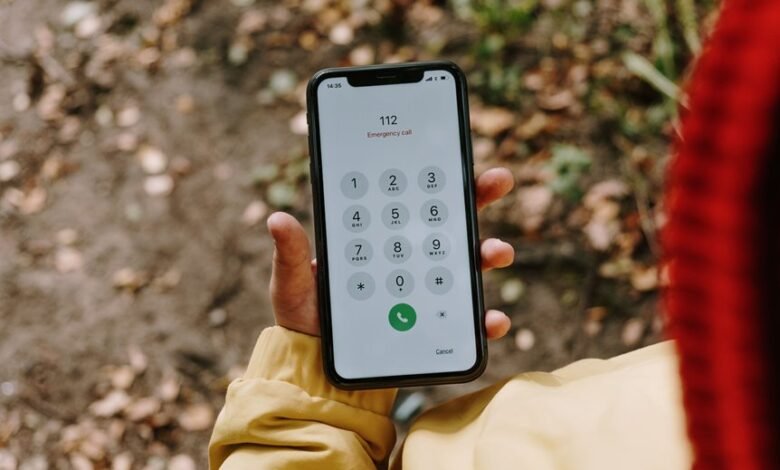
A Phone Identity Archive for numbers like 18008280146, 716-246-0084, 22179700400, 18554891010, 1-800-315-1907, 8883698801, 833-741-3450, 4844522186, 6143000013, and 09 69 39 49 51 raises questions about how digital traces accumulate. It highlights how calls, texts, and metadata surface in marketing, fraud, and personal histories. The archive prompts scrutiny of data provenance, trust, and privacy safeguards. It offers a cautious path forward, but unseen links may surprise, leaving the practical implications to unfold.
What the Phone Identity Archive Reveals About Digital Footprints
The Phone Identity Archive provides a concise map of digital footprints left by mobile devices, revealing patterns that individual users alone cannot disclose.
The archive emphasizes privacy traces and data aggregation, illustrating how fragments converge into broader behavioral portraits.
This awareness spurs caution and accountability, guiding readers toward informed choices while safeguarding autonomy, confidentiality, and collective security without surrendering freedom.
How Numbers Surface in Fraud, Marketing, and Personal History
Numbers permeate fraud schemes, marketing models, and personal histories in ways that are neither incidental nor harmless. In contemporary ecosystems, numeric traces shape risk assessments and reputational narratives, often behind masked interfaces. The careful observer notes how data patterns influence fraud detection and identity verification, driving safeguards while exposing vulnerabilities. Awareness empowers users to demand transparency, accountability, and resilient, privacy-respecting design.
How to Trace Trust: Verifying Call Sender and Text Origins
Verifying the origins of a call or text requires a disciplined, layered approach to trust. The process emphasizes verification methods and careful examination of metadata, sender paths, and message provenance. By isolating anomalies, one assesses caller origins with caution and objectivity.
Freedom-minded readers should demand transparent signals, resist speculation, and document credible evidence before acting on any claim.
Practical Steps to Build a Personal Phone Identity Map
Could a structured approach to assembling a personal phone identity map illuminate patterns and reduce risk? A cautious, assertive method begins with cataloging numbers, sources, and contexts, then tagging each entry for privacy fundamentals and data provenance. Systematically verify origins, remove duplicates, and document uncertainties. The result supports informed choices, autonomy, and freedom while safeguarding sensitive connections and minimizing exposure.
Frequently Asked Questions
How Is Phone Identity Data Legally Gathered and Stored?
Data identity is gathered and stored under regulatory frameworks, with consent and purpose limitation guiding collection. Data handling processes emphasize accuracy and minimization, while privacy safeguards enforce access controls, encryption, and audits to protect individuals’ freedoms.
Which Jurisdictions Govern Cross-Border Phone Data Sharing?
Cross-border data transfers involve diverse frameworks; approximately 70% of nations have some form of cross border data restrictions. Jurisdictional compliance varies, requiring careful navigation of data localization, consent, and transfer mechanisms across applicable authorities and timelines.
Can Numbers Be Anonymized Without Losing Traceability?
Anonymization can preserve some traceability only if robust methods are used; complete anonymity risks eroding accountability. The question invokes ethics brainstorming and privacy tradeoffs; a cautious, assertive stance supports freedom while preserving essential signals for security and trust.
What New Tech Could Undermine Current Identity Mappings?
New tech threatens traditional identity mappings, quietly complicating traceability while preserving freedom. Such speculative systems could undermine existing mappings, challenging certainty, urging cautious adoption, and encouraging vigilant oversight to balance privacy with accountability.
How to Assess the Accuracy of Archived Phone Identities?
Assessing accuracy relies on transparent data provenance, rigorous verification, and auditable provenance trails; cross border sharing must be scrutinized, anonymization tradeoffs weighed, and next gen identity tech continuously evaluated to preserve autonomy and informed consent, confidently yet cautiously.
Conclusion
The Phone Identity Archive offers a cautious lens on digital footprints, revealing how numbers braid together into narratives of trust and risk. It underscores provenance, accountability, and the fragility of personal data in marketing, fraud, and history. By tracing sender origins and data traces, it helps users verify and guard their choices. Like a careful cartographer, the analysis maps shadows and signals, guiding informed decisions while honoring autonomy and security—an alchemy of vigilance and transparency. A clarion call remains essential.